Tummy Tuck for Men: Procedure, Recovery, Results & What to Expect
Male Tummy Tuck (Abdominoplasty) – What Men Should Expect
A tummy tuck for men, medically called abdominoplasty, is a body-contouring surgery designed to remove excess abdominal skin, tighten weakened muscles, and create a flatter, firmer midsection. It is commonly chosen by men after significant weight loss or aging when loose skin and stubborn fat cannot be corrected with diet or exercise alone.
Today, male tummy tuck surgery is becoming increasingly popular among men who want a more defined abdomen and improved body confidence. At clinics such as Divine Cosmetic Surgery, procedures are customized to achieve a masculine body contour.
Why More Men Are Choosing Tummy Tuck Surgery
Many men believe that tummy tuck surgery is only for women, but that perception has changed significantly over the years. Male body contouring procedures have become more common, particularly after major weight-loss journeys.
Common reasons men consider a tummy tuck include:
Excess loose abdominal skin after weight loss
Sagging skin following bariatric surgery
Stubborn belly fat resistant to workouts
Poor abdominal muscle definition
Skin folds causing hygiene issues
A tummy tuck helps reshape the abdominal area by removing excess skin and tightening muscles, creating a smoother and firmer appearance.
What Is a Tummy Tuck for Men?
A male tummy tuck (abdominoplasty) is a surgical procedure that improves the shape and contour of the abdomen. During the procedure, a plastic surgeon removes excess skin and fat and tightens the abdominal muscles to achieve a flatter midsection.
Key Goals of Male Abdominoplasty
Remove loose and hanging skin
Tighten separated abdominal muscles
Improve overall body contour
Create a more masculine abdominal profile
In many cases, surgeons combine a tummy tuck with liposuction to refine the waistline and improve overall body balance.
Who Is a Good Candidate for Tummy Tuck Surgery?
Men may be ideal candidates if they:
Have loose abdominal skin after major weight loss
Maintain a stable weight
Have weakened abdominal muscles
Are in generally good health
Have realistic expectations about results
Experts recommend undergoing tummy tuck surgery only after weight stabilizes because future weight changes may affect the outcome
Types of Tummy Tuck for Men
Not every patient requires the same type of abdominoplasty. The surgical technique depends on the amount of loose skin and body contour goals.
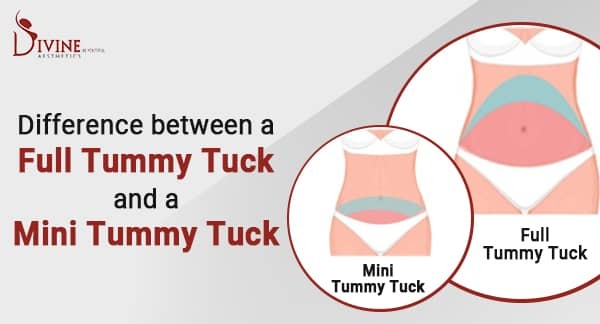
1. Mini Tummy Tuck
Targets the lower abdomen
Smaller incision
Faster recovery
2. Full Tummy Tuck
Treats the entire abdomen
Removes significant excess skin
Includes muscle tightening
3. Extended Tummy Tuck
Addresses abdomen and love handles
Ideal for moderate skin excess
4. Belt Lipectomy (360° Tummy Tuck)
Removes loose skin from abdomen, flanks, and back
Common after massive weight loss
5. Reverse Tummy Tuck
Corrects loose skin in the upper abdomen
Less common but useful for select patients
Read more about Reverse Tummy Tuck vs Tummy Tuck
Tummy Tuck vs Liposuction: What’s the Difference?
Many patients confuse these two procedures.
Feature
Tummy Tuck
Liposuction
Removes fat
Yes
Yes
Removes loose skin
Yes
No
Tightens muscles
Yes
No
Best for
Loose skin + fat
Stubborn fat
Liposuction alone cannot treat loose or sagging skin, which is why a tummy tuck is often recommended for patients with significant skin laxity.
What Happens During a Male Tummy Tuck Procedure?
A typical tummy tuck surgery follows these steps:
1. Liposuction
Fat deposits around the abdomen and waist are removed.
2. Muscle Tightening
The abdominal muscles are sutured together to create a stronger core.
3. Excess Skin Removal
Loose skin is removed to achieve a tighter abdominal contour.
4. Belly Button Reshaping
The navel is repositioned to maintain a natural appearance.
This procedure usually takes 2–4 hours depending on the surgical plan.
Before & After Reality: What to Expect
Let’s talk honestly.
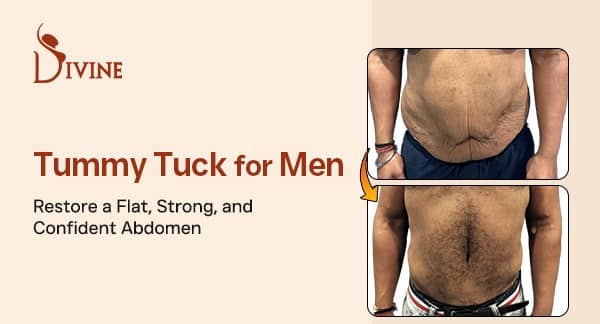
Imagine a patient who lost 40–45 kg:
Before: Hanging skin, sagging chest, distorted belly button
After: Flat abdomen, lifted chest, improved body contour
But, results also depend on the type of surgery chosen.
For example, if a patient refuses a belt lipectomy when needed, some side bulges may remain.
So the key is:
Choosing the right procedure is as important as the surgery itself
Tummy Tuck Recovery Timeline
Recovery after a tummy tuck is generally smooth with modern techniques.
Recovery Phase
What to Expect
First week
Mild swelling and discomfort
2–3 weeks
Return to light work
4–6 weeks
Resume exercise gradually
3–6 months
Final results become visible
Most patients can return to normal work within two to three weeks after surgery.
Benefits of Tummy Tuck for Men
Male tummy tuck surgery offers several advantages:
Removal of loose abdominal skin
Improved abdominal muscle tone
Better body proportions
Enhanced clothing fit
Increased self-confidence
A flatter and firmer abdomen can significantly improve the overall appearance of the body.
Scars After Tummy Tuck
One of the most common concerns among patients is scarring.
Important facts about tummy tuck scars:
The scar is placed along the lower abdomen
It is usually hidden under underwear
It fades gradually over time
Most surgeons design incisions carefully to minimize visible scarring.
Book Your Free Consultation Now
Can a Tummy Tuck Give Men a 6-Pack?
A tummy tuck alone creates a flatter abdomen. However, when combined with abdominal etching or high-definition liposuction, it may enhance muscle definition and produce a more athletic look.
This approach is often chosen by men who want a sculpted abdomen after weight loss.
Risks of Tummy Tuck Surgery
Like any surgical procedure, tummy tuck surgery carries some risks.
Possible complications include:
Infection
Fluid accumulation (seroma)
Scarring
Blood clots
Delayed wound healing
Following proper surgical guidelines and choosing an experienced plastic surgeon can significantly reduce these risks.
Cost for Male Tummy Tuck
The cost for male tummy tuck varies depending on:
Type of procedure (mini, full, 360°)
Surgeon’s expertise
Technology used (VASER, HD techniques)
Hospital setup
Expert Tummy Tuck Surgery in Delhi
At Divine Cosmetic Surgery, tummy tuck procedures are performed by Dr. Amit Gupta, a board-certified plastic surgeon with more than 25 years of experience in cosmetic and reconstructive surgery.
The clinic specializes in advanced body contouring procedures including:
Tummy tuck surgery
Liposuction
Abdominal etching
Post-weight-loss body sculpting
Every procedure is customized to achieve natural-looking and balanced results.
Looking for Tummy Tuck Surgery in Delhi?
Consult Dr. Amit Gupta at Divine Cosmetic Surgery to understand whether a tummy tuck is the right solution for you.
✔ Personalized consultation✔ Advanced body contouring techniques✔ Experienced plastic surgery team
Book your consultation today and take the next step toward a more confident body.
Conclusion
A tummy tuck for men can be the final step in a long transformation journey. After significant weight loss or lifestyle changes, excess abdominal skin can remain even with strict exercise routines.
Male tummy tuck surgery helps remove loose skin, tighten muscles, and restore a stronger, more defined abdominal contour. When performed by an experienced plastic surgeon, the results can be long-lasting and highly satisfying.
If you are considering tummy tuck surgery, consulting a qualified specialist can help determine the best treatment plan for your body goals.
FAQs
Is tummy tuck surgery common for men?Yes. Male tummy tuck procedures are becoming increasingly popular among men who have lost weight or want to improve abdominal contour.
Is a tummy tuck a weight-loss surgery?No. A tummy tuck removes loose skin and tightens muscles but is not designed for weight loss.
How long is recovery after a tummy tuck?Most patients return to normal work within 2–3 weeks, while full recovery may take about 6–8 weeks.