Keloid Treatment
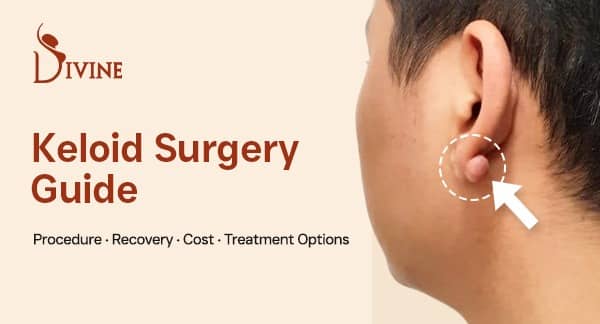
A keloid is a type of scar that grows more than normal during the healing process. Normally, when the skin heals after a cut, acne, piercing, or surgery, a scar forms and gradually becomes flat. But in some people, the scar continues to grow and becomes thick, raised, and prominent. This abnormal scar is called a keloid.
Keloids are not dangerous or cancerous, but they can cause discomfort, itching, and cosmetic concerns. Many patients feel self-conscious because the scar may look dark, bulky, or irregular.
In this guide, we will explain keloid surgery, treatment options, recovery time, and cost in Delhi, along with the best ways to manage and prevent recurrence.
What is a Keloid?
A keloid is an overgrowth of scar tissue caused by excessive collagen production during skin healing. Instead of staying within the original wound boundary, the scar spreads beyond it and becomes raised and thick.
For example:
- A small acne scar becomes a thick bump
- An ear piercing develops a large round growth
- A surgical scar becomes raised and hard
Keloids can continue to grow for months or even years after the original injury.
People who have a genetic tendency are more likely to develop keloids, especially if family members also have similar scars.
Symptoms of a Keloid
Keloids are usually easy to identify. Common signs include:
- Thick, raised scar on the skin
- Firm or rubbery texture
- Itching or irritation
- Dark pink, red, or brown color
- Gradual increase in size
- Tight or stretched feeling on the skin
Some keloids may also cause pain or tenderness, especially in areas like the chest or shoulders
Common Areas Where Keloids Develop
Keloids can develop anywhere on the body, but they are more common in areas with higher skin tension.
| Body Area | Why Keloids Are Common |
|---|---|
| Chest | High skin tension |
| Shoulders | Frequent movement |
| Upper back | Thick skin |
| Arms | Stretch and friction |
| Ear lobes | Piercing injuries |
Keloids on the ear lobes after piercing are one of the most common cases seen in clinics.
Why Do Keloids Form?
The exact cause of keloids is not completely understood, but several factors increase the risk:
- Genetic predisposition
- Skin injuries (cuts, acne, burns)
- Ear piercing or tattoos
- Surgical wounds
- High skin tension areas
If someone develops one keloid, they are more likely to develop another in the future.
What is Keloid Surgery?
Keloid surgery is a procedure that removes the thick scar tissue from the skin. It is usually recommended for large or persistent keloids that do not respond to other treatments.
The goal of keloid surgery is to:
- Remove the raised scar
- Improve skin appearance
- Reduce itching and discomfort
- Restore smoother skin texture
However, an important fact to understand is that surgery alone may not be enough, because keloids have a high recurrence rate when treated with surgery alone.
Therefore, doctors often combine surgery with other treatments such as steroid injections, silicone therapy,or radiation therapy to reduce the chance of recurrence.
Keloid Treatment Options
The best treatment for keloids depends on several factors:
- Size of the keloid
- Location on the body
- Duration of the scar
- Previous treatments
- Skin type
Common Keloid Treatments
| Treatment | Best For | How It Works |
|---|---|---|
| Steroid injections | Small to medium keloids | Reduces inflammation and scar size |
| Cryotherapy | Early or small keloids | Freezes scar tissue |
| Laser therapy | Redness and itching | Improves appearance and texture |
| Silicone gel sheets | Early scars | Prevents scar thickening |
| Keloid surgery | Large keloids | Removes scar tissue |
Doctors often recommend combination therapy because using multiple treatments gives better long-term results.
Book a consultation today to discuss the best treatment options for keloid removal surgery in Delhi.
Keloid Surgery Procedure
Understanding the procedure can help reduce anxiety before treatment.
1. Consultation and Diagnosis
During consultation, the doctor examines:
- Scar size and location
- Duration of the keloid
- Previous treatments
- Skin type and healing history
It is also important to distinguish between a keloid and hypertrophic scar, because treatment approaches may differ.
2. Treatment Planning
Depending on your condition, the doctor may recommend:
- Surgery with steroid injections
- Surgery followed by radiation therapy
- Laser treatment and injections
- Non-surgical therapy for smaller scars
3. Surgical Removal
During keloid surgery:
- Local anesthesia is given
- The keloid tissue is carefully removed
- Surrounding skin is preserved
- Fine sutures are placed
The procedure usually takes 30–60 minutes, depending on the size of the keloid.
After surgery, additional treatments may be given to reduce recurrence.
Keloid Surgery Before and After Results
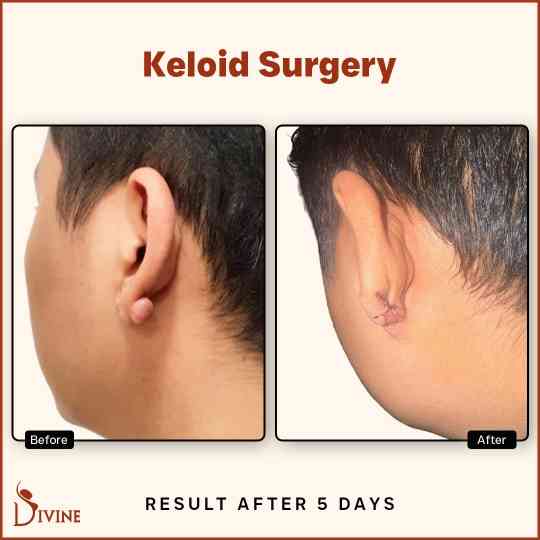
ear keloid removal
Before surgery, patients often experience:
- Thick raised scar
- Itching or irritation
- Dark or uneven skin
- Cosmetic discomfort
After proper treatment:
- Scar becomes flatter
- Skin texture improves
- Itching and irritation reduce
- Appearance becomes more natural
However, healing takes time, and the final result may take several months.
Recovery After Keloid Surgery
Recovery after keloid surgery is usually straightforward.
| Recovery Stage | What Happens |
|---|---|
| First few days | Mild swelling and redness |
| 1 week | Stitches may be removed |
| 2–4 weeks | Scar gradually settles |
| 3 months | Monitoring for recurrence |
Important aftercare steps include:
- Applying silicone gel or sheets
- Avoiding sun exposure
- Attending follow-up appointments
- Receiving steroid injections if advised
Is Keloid Surgery Safe?
Yes, keloid surgery is generally safe when performed by an experienced surgeon.
However, patients should understand that keloids can sometimes return even after treatment. Research shows that combining surgery with additional treatments significantly reduces recurrence risk.
Proper follow-up care plays a very important role in long-term results.
Can Keloids Be Prevented?
Complete prevention may not be possible for people with a genetic tendency, but certain precautions can reduce the risk:
- Avoid unnecessary piercings
- Treat acne early
- Use silicone sheets on new scars
- Avoid tattoos if prone to keloids
- Inform your doctor about previous keloids before surgery
Cost of Keloid Surgery
The cost of keloid surgery varies depending on several factors:
- Size of the keloid
- Location on the body
- Type of treatment required
- Number of sessions needed
- Combination therapies used
Small keloids may require simple removal, while larger or recurrent keloids may require multiple treatments.
For this reason, the exact cost is usually determined after consultation with a specialist.
Book Your Free Consultation Now
Difference Between Keloid and Hypertrophic Scar
Many people confuse these two conditions.
| Feature | Keloid | Hypertrophic Scar |
|---|---|---|
| Growth beyond wound | Yes | No |
| Recurrence risk | High | Low |
| Size increase over time | Yes | Usually stabilizes |
| Genetic link | Strong | Mild |
Correct diagnosis helps doctors choose the most effective treatment.
When Should You See a Doctor?
You should consult a doctor if:
- The scar keeps growing
- Severe itching or pain occurs
- The scar changes color
- The appearance causes cosmetic concern
Early treatment can help control the scar before it becomes larger.
Conclusion
Keloids are not dangerous, but they can affect comfort and confidence. Keloid surgery is one of the most effective treatments for large or persistent scars, especially when combined with other therapies.
Key points to remember:
- Keloids occur due to excess scar tissue formation
- Genetics and skin tension increase the risk
- Surgery alone may not prevent recurrence
- Combination treatments provide better results
With the right diagnosis and treatment plan, keloids can be effectively managed and their appearance significantly improved.