Hair loss can be frustrating, especially when your hair starts looking thinner even after you have tried different treatments. If regular PRP or GFC sessions do not fit easily into your schedule, you may have heard about another option called SVF.
SVF stands for stromal vascular fraction. It is prepared from your own fat tissue and is being studied for its potential role in hair restoration.
But what exactly is SVF? How is it different from PRP and GFC? And is it the right choice for your hair loss?
Let’s understand how the procedure works, what current research suggests, and what you should know before considering it.
What Is SVF Treatment for Hair Loss?
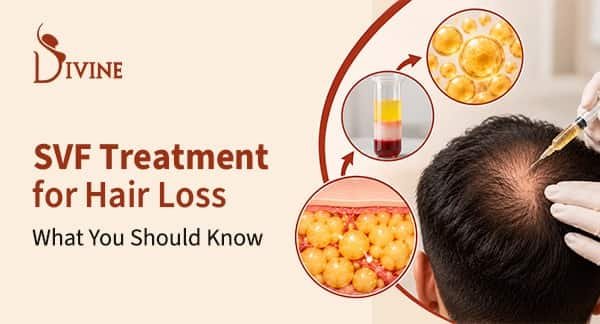
Stromal vascular fraction (SVF) is a mixture of cells and other biological components obtained from fat tissue. It contains different cell populations that researchers are investigating for their potential role in tissue repair and regeneration.
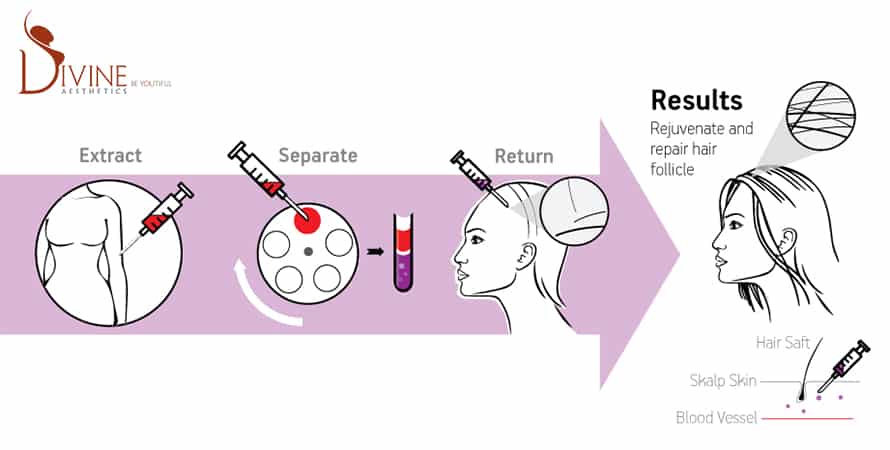
For hair restoration, SVF is prepared from a small sample of your own fat, usually collected from an area such as the abdomen or thigh. The fat is processed using a specific protocol, and the resulting preparation may then be injected into selected areas of the scalp.
Unlike PRP and GFC, which are prepared from blood, SVF requires fat harvesting. This makes the procedure different from treatments that involve only a blood sample and scalp injections.
It is important to understand that SVF is an emerging treatment for hair loss. Although early research has reported promising findings, more robust studies are needed to establish how effective it is, which patients may benefit most, and what treatment schedule is appropriate.
How Does SVF Treatment Work?
Hair growth depends on several factors, including genetics, hormones, scalp health, nutrition and the condition of the hair follicles.
SVF contains a mixture of cells and biological components that researchers are studying for their potential effects on the scalp environment and hair follicles. However, the exact mechanisms and the extent of any benefit for hair growth are not yet fully established.
Some early studies have reported improvements in certain hair-growth measurements after SVF-based treatments. However, results from one study or treatment protocol cannot automatically be applied to every patient.
SVF should not be considered a guaranteed way to grow new hair, reverse advanced baldness or permanently stop hair loss.
A proper assessment is important because the right treatment depends on the underlying cause of your hair loss. Pattern hair loss, nutritional deficiencies, hormonal conditions and inflammatory scalp disorders may require different approaches.
Why Are People Interested in SVF Treatment?
SVF has attracted interest because it uses material obtained from the patient’s own body and is being investigated as a possible option for hair restoration.
There are a few reasons patients may want to discuss it with their doctor.
- It may involve fewer treatment visits
Some patients prefer treatments that do not require frequent clinic visits. However, the appropriate number and timing of SVF sessions depend on the protocol being used. A single session should not be assumed to replace regular treatment or ongoing hair-loss management.
- It uses a different preparation method
PRP, GFC and SVF are prepared differently. SVF is obtained from fat tissue, while PRP and GFC are prepared from blood. These differences do not automatically mean that one treatment is more effective than another.
- It may be considered as part of an individual treatment plan
A doctor may discuss different options depending on your diagnosis, hair-loss pattern, medical history and treatment goals. SVF may be one option to explore, but established treatments may be more appropriate for some patients.
The key is to understand the available evidence rather than choosing a treatment based only on its name or the promise of fewer sessions.
SVF vs GFC vs PRP for Hair Loss
PRP, GFC and SVF are often discussed together because they are used in the field of hair restoration. However, they are not the same treatment, and their preparation methods, evidence and practical considerations differ.
| Feature | SVF | GFC | PRP |
| Source material | Fat tissue | Blood | Blood |
| How it is prepared | Fat is harvested and processed using a specific protocol | Blood is processed to prepare a growth-factor concentrate | Blood is processed to prepare platelet-rich plasma |
| Does it involve fat harvesting? | Yes | No | No |
| Procedure considerations | Includes a fat-harvesting step and scalp injections | Usually involves a blood draw and scalp injections | Usually involves a blood draw and scalp injections |
| Treatment schedule | Depends on the protocol and clinical assessment | Depends on the treatment plan | Depends on the treatment plan |
| Cost considerations | May be higher because of fat harvesting, equipment and processing | Varies by clinic and protocol | Varies by clinic and protocol |
| Evidence for hair loss | Emerging; further research is needed | Evidence and protocols vary | Has been studied more extensively, but results and protocols vary |
There is not enough robust comparative evidence to conclude that SVF is superior to PRP or GFC for all patients.
The most suitable option depends on the cause of your hair loss, your medical history, the evidence available for each treatment and the advice of a qualified clinician.
What Does SVF Treatment Cost?
SVF treatment may cost more upfront than treatments involving only a blood sample. This is because the procedure involves fat harvesting, specialised processing and additional clinical requirements.
The actual cost depends on the protocol, equipment, clinical setting and individual treatment plan.
Before comparing SVF with PRP or GFC, ask for a complete estimate rather than looking only at the price of one session.
Book Your Free Consultation Now
Here are some useful questions to ask your clinic:
| What to compare | What to clarify |
| SVF treatment | What is the total cost, including fat harvesting, processing and scalp injections? |
| Follow-up sessions | Are additional sessions recommended, and what would they cost? |
| PRP or GFC | How many sessions are proposed, and what is the total estimated cost? |
| Medicines | Are prescription medicines or other treatments recommended separately? |
| Follow-up care | Are review appointments and aftercare included? |
What about the cost over a year?
The total cost of treatment varies from person to person. Although SVF may involve a higher initial expense, it is not possible to assume that it will be cheaper over time. The comparison depends on the actual prices, number of visits and treatments each patient needs.
For an accurate estimate, ask for a written treatment plan that explains what is included and which costs may arise later.
How Is the SVF Procedure Performed?
The procedure involves more than simply injecting a preparation into the scalp. It includes collecting fat tissue, processing it and administering the resulting preparation.
The exact steps depend on the clinical protocol.
Step 1: Consultation and assessment
The doctor examines your scalp, reviews your hair-loss history and considers your medical background. Depending on your symptoms, further examination or investigations may be needed to identify the cause of hair loss.
The doctor will also assess whether you have enough suitable donor fat and whether the procedure is appropriate for you.
Step 2: Fat harvesting
A small amount of fat is collected from a suitable area, such as the abdomen or thigh. This involves a minor surgical procedure and requires appropriate anaesthesia, sterile technique and clinical facilities.
The amount of fat required varies according to the protocol being used.
Step 3: Processing the fat
The collected fat is processed using a method intended to obtain the SVF preparation. Processing time and the final amount obtained depend on the technique, equipment and starting material.
It is important to use an appropriate, validated protocol and to follow the applicable safety and regulatory requirements.
Step 4: Scalp injections
The prepared material may be injected into selected areas of the scalp according to the treatment plan.
Your doctor should explain the procedure, its potential benefits, uncertainties and risks before you decide to proceed.
Step 5: Aftercare and follow-up
You will receive instructions about caring for both the donor area and your scalp. Follow-up appointments help your doctor assess your recovery and discuss whether your wider hair-loss management plan needs any changes.
The overall appointment may take several hours, depending on the technique and clinical setup. Confirm the expected duration with your treating team.
Recovery and Aftercare After SVF Treatment
Recovery varies depending on the fat-harvesting technique, the amount of tissue collected and your individual healing.
You may experience soreness, bruising or swelling around the donor area. The scalp may also feel tender after injections. Your clinician will advise you on suitable pain relief, wound care and when you can return to your normal routine.
Before leaving the clinic, ask about:
- How to care for the donor area and scalp.
- When you can wash your hair.
- When to return to work, exercise and other activities.
- Which medicines you should continue or temporarily avoid.
- Which symptoms need urgent medical attention.
- When your follow-up appointment should take place.
Do not assume that you can resume strenuous exercise immediately. Your recovery instructions should be based on the procedure performed and your healing.
Contact your treating team if you develop increasing pain, spreading redness, fever, unusual discharge or other concerning symptoms.
What Treatments May Be Combined With SVF?
Hair loss often requires a longer-term management plan. A procedure alone may not address the underlying cause or prevent future thinning.
Depending on your diagnosis, your doctor may discuss the following options.
Minoxidil
Minoxidil is used in the treatment of certain types of hair loss. It is available in topical formulations, while oral minoxidil may be prescribed in selected cases under medical supervision.
Oral minoxidil can cause systemic side effects, including changes in blood pressure, a faster heart rate and fluid retention. It is not suitable for everyone and should not be started without medical advice.
The choice between topical and oral treatment depends on your condition, medical history, tolerance and the clinician’s assessment.
Nutritional assessment and supplements
Nutritional deficiencies can contribute to hair loss in some people. Your doctor may recommend appropriate investigations if your symptoms or medical history suggest a deficiency.
Supplements may be useful when there is a documented deficiency or a specific clinical need. Taking multivitamins does not automatically improve hair density in everyone.
PRP, GFC and other treatment options
Depending on the cause of hair loss, a clinician may discuss PRP, GFC, prescription medication or other appropriate options.
There is insufficient evidence to assume that SVF will replace these treatments or eliminate the need for ongoing care. Your plan should be based on your diagnosis and the available evidence, not simply on the number of clinic visits.
Can SVF Be Used After a Hair Transplant?
A hair transplant moves hair follicles from a donor area to areas affected by hair loss. However, the hair that was not transplanted may continue to thin over time, depending on the underlying condition.
This is why follow-up care remains important after a hair transplant.
Your doctor may recommend medication or other treatments to help manage ongoing hair loss, depending on your circumstances. SVF has also been investigated as an option in hair restoration, but its ability to improve transplant outcomes or protect existing hair is not established well enough to make guarantees.
If you are considering SVF after a hair transplant, discuss the potential benefits, uncertainties, timing and alternatives with your surgeon.
The goal should be a realistic long-term plan for your hair, rather than relying on a single procedure to prevent all future hair loss.
Who May Be Suitable for SVF Treatment?
SVF may be worth discussing with a qualified clinician if you are exploring treatment options for hair thinning or certain types of hair loss.
However, not everyone is a suitable candidate.
Your doctor will consider:
- The cause of your hair loss: Different conditions need different treatments.
- The condition of your scalp and hair follicles: The pattern and extent of thinning help guide treatment decisions.
- Your general health: Your medical history and current medicines may affect whether a procedure is appropriate.
- Donor fat availability: SVF requires fat tissue to be collected. Whether you have enough suitable tissue needs individual assessment.
- Your expectations: You should understand the limitations of the evidence and the fact that results cannot be guaranteed.
- Alternative treatments: Other options may have more established evidence for your particular condition.
People with advanced baldness should not assume that SVF will restore hair in areas where follicles are no longer capable of producing hair.
A consultation is the best way to understand your options. Being busy, travelling frequently or living far from a clinic may influence your practical preferences, but these factors alone do not make SVF medically more suitable.
SVF Treatment for International Patients
For people travelling to India for hair restoration, treatment planning can be especially important. They may need to coordinate consultations, procedures, recovery time and follow-up care within a limited visit.
SVF involves fat harvesting as well as scalp injections, so the additional procedure and recovery requirements should be considered when planning a trip.
If you are travelling from overseas, ask the clinic:
- How long should you plan to stay?
- Is an in-person review required before travelling home?
- Who will manage any concerns after you return?
- Can follow-up be arranged remotely where appropriate?
- What additional costs might arise if treatment or recovery takes longer than expected?
Some patients may explore combining procedures during one visit, but this is not suitable for everyone. The doctor should assess whether combining treatments is appropriate and whether sufficient recovery time is available.
Do not choose a treatment solely because it reduces the number of visits. Safety, suitability and realistic expectations should come first.
What Are the Risks and Limitations of SVF Treatment?
SVF involves both fat harvesting and scalp injections, so it should not be treated as a risk-free or purely non-surgical procedure.
Possible complications related to fat harvesting include pain, bruising, bleeding, infection, delayed healing and contour irregularities. Scalp injections may also cause discomfort, swelling, bruising or infection. Other risks depend on the technique, equipment and individual medical circumstances.
There are also important limitations to consider:
- Research on SVF for hair loss is still developing.
- Different preparation methods may produce different results.
- The best candidate selection and treatment schedule are not fully established.
- Improvement in hair density or reduction in shedding cannot be guaranteed.
- SVF should not be presented as a cure for baldness.
- Long-term outcomes and the need for repeat treatment remain uncertain.
Before agreeing to treatment, ask your doctor to explain the specific procedure being offered, the evidence supporting it, the possible complications and the alternatives available to you.
You should also clarify how the material will be processed, which equipment and protocols will be used, and whether the procedure complies with applicable regulatory requirements.
Frequently Asked Questions About SVF for Hair Loss
1. What does SVF stand for?
SVF stands for stromal vascular fraction. It is a mixture of cells and other biological components obtained from fat tissue and is being investigated for its potential role in hair restoration.
2. Is SVF treatment effective for hair loss?
Early research has reported promising findings in some hair-growth measurements, but the overall evidence remains limited. Its effectiveness can vary, and further research is needed to establish the best treatment protocols and long-term outcomes.
3. Is SVF better than PRP or GFC?
There is not enough robust comparative evidence to establish that SVF is better than PRP or GFC for everyone. The appropriate option depends on your diagnosis, medical history and the evidence available for each treatment.
4. How many SVF sessions are needed?
There is no single treatment schedule that can be recommended for every patient. The number and timing of sessions depend on the protocol and the clinician’s assessment. Ask your doctor what evidence supports the proposed schedule.
5. Does SVF treatment cure baldness?
No treatment should be presented as a guaranteed cure for baldness. SVF is being investigated for hair restoration, but it has not been established as a reliable way to reverse advanced baldness.
6. Is SVF treatment painful?
Discomfort can occur during or after fat harvesting and scalp injections. The level of discomfort depends on the procedure and individual factors. Your treating team should explain the anaesthesia, pain management and recovery plan.
7. How long does recovery take after SVF?
Recovery depends on the fat-harvesting technique, the donor area and your healing. You may experience soreness, bruising or swelling. Follow your clinician’s advice before returning to exercise or other strenuous activities.
8. Can SVF be used after a hair transplant?
It may be discussed as an option in selected hair-restoration plans, but its ability to protect existing hair or improve transplant outcomes is not firmly established. Your surgeon can explain the available evidence and other options for managing ongoing hair loss.
9. Is SVF suitable for everyone?
No. Your doctor needs to assess the cause of hair loss, scalp condition, general health and availability of suitable donor fat. Some people may benefit more from other treatments.
10. What is the cost of SVF treatment?
The cost depends on the procedure, processing method, equipment, clinical setting and follow-up plan. Request a written estimate that includes fat harvesting, processing, injections and any additional charges.
Considering SVF Treatment at Divine?
At Divine Aesthetics , we believe that understanding your options is an important part of making a treatment decision.
If you are experiencing hair thinning or ongoing hair loss, a consultation can help identify the likely cause and determine which options may be appropriate for you. Your doctor can discuss SVF alongside other treatments, explain the available evidence and help you understand the potential benefits, limitations and risks.
Book a consultation with our medical team to discuss your hair-loss concerns and explore an individual treatment plan.
Medical disclaimer: This article is for educational purposes only and does not replace an individual medical consultation. SVF for hair loss is an emerging treatment, and its effectiveness and long-term outcomes are not fully established. Suitability, risks and treatment recommendations must be assessed by a qualified medical professional. Results vary and are not guaranteed.